A bouquet that looked flawless at the flower shop on Monday can be drooping, browning, and shedding petals by Wednesday – even though you changed the water and trimmed the stems just like the care card said. If this sounds familiar, the culprit probably wasn’t dirty water or a warm windowsill. It was a gas you can’t see or smell in normal concentrations: ethylene. Understanding how this simple molecule triggers flower senescence is the key to making cut flowers last noticeably longer, and it’s far more actionable than most people realize.
What ethylene actually does inside a flower
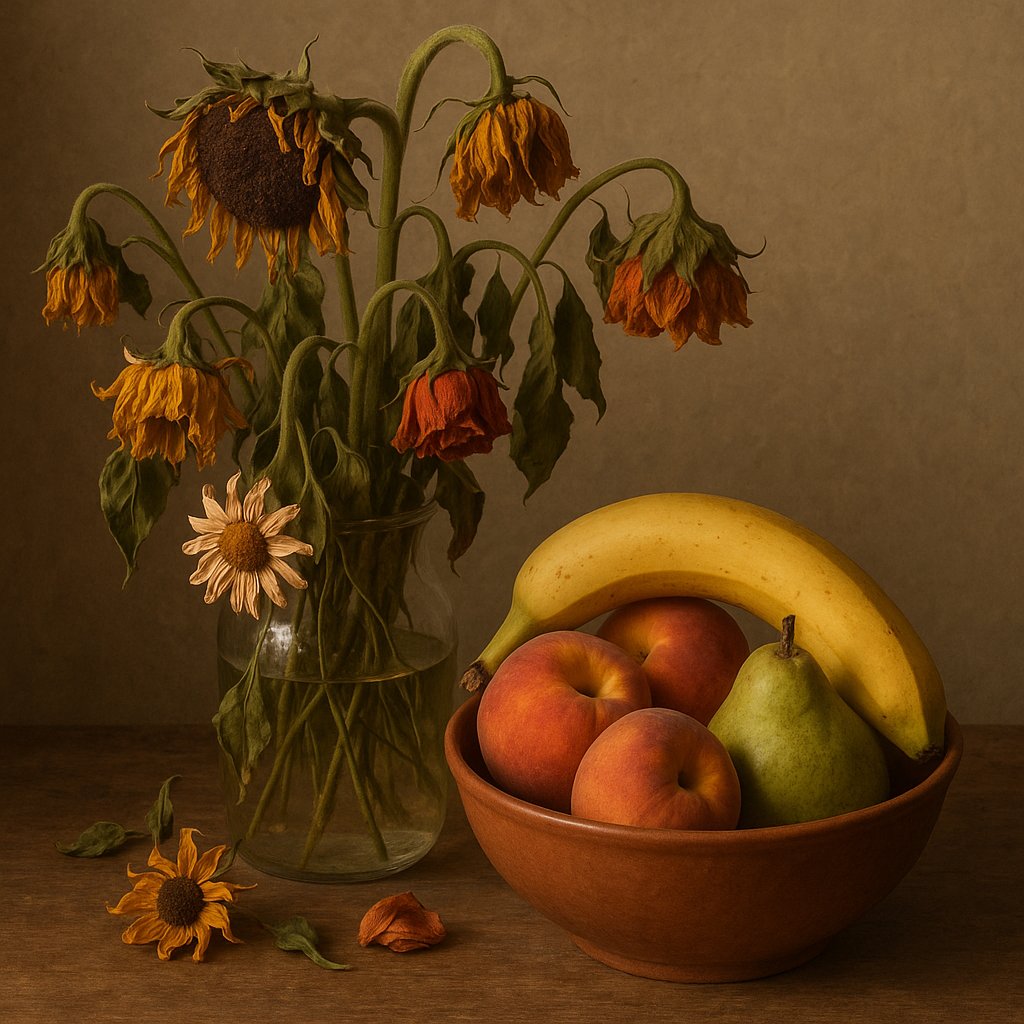
Ethylene (C2H4) is a plant hormone, and technically the simplest one in existence – just two carbon atoms and four hydrogens. Plants produce it naturally as part of ripening and aging, which is why a ripening banana can speed up the ripening of everything else in the fruit bowl. Flowers use the same signal, but for a different purpose: it tells petals it’s time to fold up, drop, and let the plant redirect energy elsewhere.
Once a flower is cut from its plant, it’s under stress. Stress is one of the biggest ethylene triggers there is. The cut stem senses injury, and cells respond by ramping up ethylene production. That ethylene then binds to receptors in the petal tissue and switches on a cascade of enzymes that break down cell walls, degrade chlorophyll, and cause water loss. The visible result – wilting, color fading, petal drop – can happen within 24 to 48 hours in ethylene-sensitive species, even under otherwise ideal conditions.
Not every flower is equally vulnerable. Carnations, orchids, snapdragons, sweet peas, and delphiniums are highly sensitive – I’ve seen a single overripe apple in the same room shave a full day off a vase of carnations. Roses and gerberas are moderately sensitive. Lilies, gladiolus, and chrysanthemums tend to be more tolerant, though they’re not immune.
Where the ethylene actually comes from
It’s easy to assume flowers just “run out of steam” on their own, but in most households the bigger issue is external ethylene exposure. Common sources include:
- Ripening fruit nearby – apples, bananas, and avocados are especially potent emitters
- Cigarette smoke
- Vehicle exhaust, if flowers were transported in a car trunk
- Decaying plant material left in the vase, including damaged or wilted foliage that’s already stressed
- Gas stoves or heaters, which can release trace ethylene as a combustion byproduct
- Warm, poorly ventilated storage during shipping – florists call this “ethylene damage” and it’s a recognized cause of quality loss before flowers even reach a customer
Temperature makes everything worse. Ethylene production roughly doubles for every 10°C (18°F) increase in ambient temperature, so a bouquet sitting in a warm delivery truck or near a sunny window is essentially cooking its own aging hormone into overdrive.
Practical ways to slow the ethylene clock
Control the environment first
Before touching the stems, look at the room. Keep bouquets away from fruit bowls, kitchens with gas appliances, and anywhere someone smokes. Cooler rooms – ideally 65–72°F – slow both ethylene production and the flower’s sensitivity to it. Direct sunlight and heating vents accelerate both water loss and hormone activity, so a hallway or shaded table often outperforms a bright windowsill.
Use the right water treatment
Most commercial flower food packets contain more than sugar. Good ones include a biocide (to reduce bacteria, which produce their own ethylene as a byproduct) and an acidifier to help stems draw water efficiently. If you don’t have a packet, a homemade mix of one part lemon-lime soda, three parts water, and a few drops of bleach works reasonably well in a pinch, though it’s not a perfect substitute.
Consider an ethylene inhibitor
The floral industry has long relied on a compound called 1-methylcyclopropene (1-MCP), sold commercially as products like EthylBloc or Chrysal AVB. It works by physically blocking ethylene receptors on the flower’s cells, so even if ethylene is present, the flower can’t “hear” the aging signal. Wholesalers and florists often treat flowers with this before shipping – it’s one reason some bouquets from high-end shops noticeably outlast supermarket flowers of the same species.
Recut, clean, and rotate water
Recutting stems at a 45-degree angle every two to three days removes bacterial buildup at the cut surface and reopens the vascular tissue for better water uptake. Change the water just as often – standing water breeds bacteria fast, and bacteria are an underappreciated secondary source of ethylene in the vase itself.
Quick reference: ethylene sensitivity by flower type
| Sensitivity level | Common examples | Typical vase life impact |
|---|---|---|
| High | Carnations, sweet peas, snapdragons, orchids | Can lose 1–3 days from ethylene exposure alone |
| Moderate | Roses, gerberas, alstroemeria | Noticeable fading and drop within a few days near fruit or smoke |
| Low | Chrysanthemums, lilies, gladiolus | More resilient, but still benefit from cooler storage |
Small habits, longer-lasting bouquets
None of this requires special equipment or a background in horticulture. It really comes down to a handful of habits: keep flowers away from ripening fruit and smoke, choose a cool spot over a sunny one, refresh the water and stems regularly, and don’t underestimate what a proper flower food packet can do. I’ve kept ordinary grocery-store roses looking presentable for nearly two weeks using nothing more than these steps, while an identical bunch left on a kitchen counter next to a fruit bowl was drooping by day four.
If you’re curious about the science further, there’s a lot of solid horticultural research on ethylene biosynthesis and postharvest handling worth exploring – it’s a topic that connects everyday flower care to some genuinely fascinating plant biology.